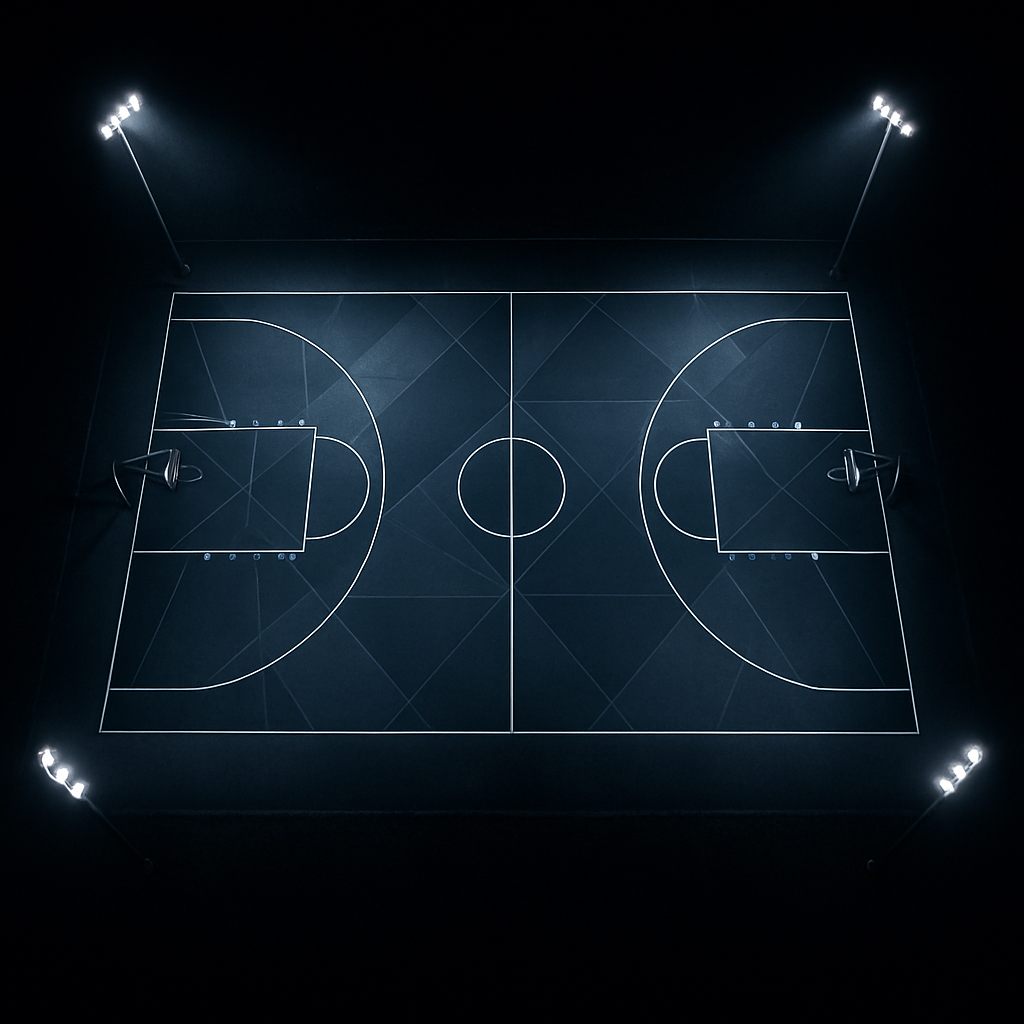
Zone defence is a system of play in which each defender is responsible for guarding a specific area of the court rather than an individual opponent. The approach contrasts with man to man defence, where each player tracks a designated opponent regardless of their position on the floor.
The most common zone formation is the two three, in which two defenders position themselves near the three point line and three defenders cover the paint and mid range areas. This setup is effective at protecting the basket and forcing opponents to take contested outside shots. Scottish teams at national level have adopted variations of this system with notable success, particularly against smaller squads that rely heavily on interior play.
The three two zone inverts this structure, placing three players across the top of the key and two defenders closer to the baseline. This formation is better suited to disrupting perimeter heavy offences and applying pressure on ball handlers operating near the arc.
A box and one hybrid formation assigns four players to a zone while one defender shadows the opponent's most dangerous scorer man to man. This approach is less common but highly effective when a single player is carrying the offensive load for the opposition.
Implementing zone defence requires strong communication between all five players on the court. Defenders must rotate seamlessly as the ball moves, close out on shooters at the perimeter, and avoid leaving gaps in the paint that skilled passers can exploit.
Training for zone defence involves extensive work on positioning, verbal cues and collective decision making. Teams that run zone effectively are typically those with high levels of trust between players and a thorough shared understanding of each zone's structural weaknesses.
Critics of zone defence argue that it can be vulnerable to patient offences that use ball movement and screening to create open looks. A well coached team with multiple capable shooters can stretch a zone and find gaps. For this reason, most teams develop both zone and man to man capabilities and switch between them based on game situation.
Understanding zone defence as a spectator also enriches the experience of watching the game. Recognising when a team shifts into zone, how the offence responds, and which adjustments ultimately succeed or fail reveals much of the tactical intelligence at the heart of modern basketball.